Science

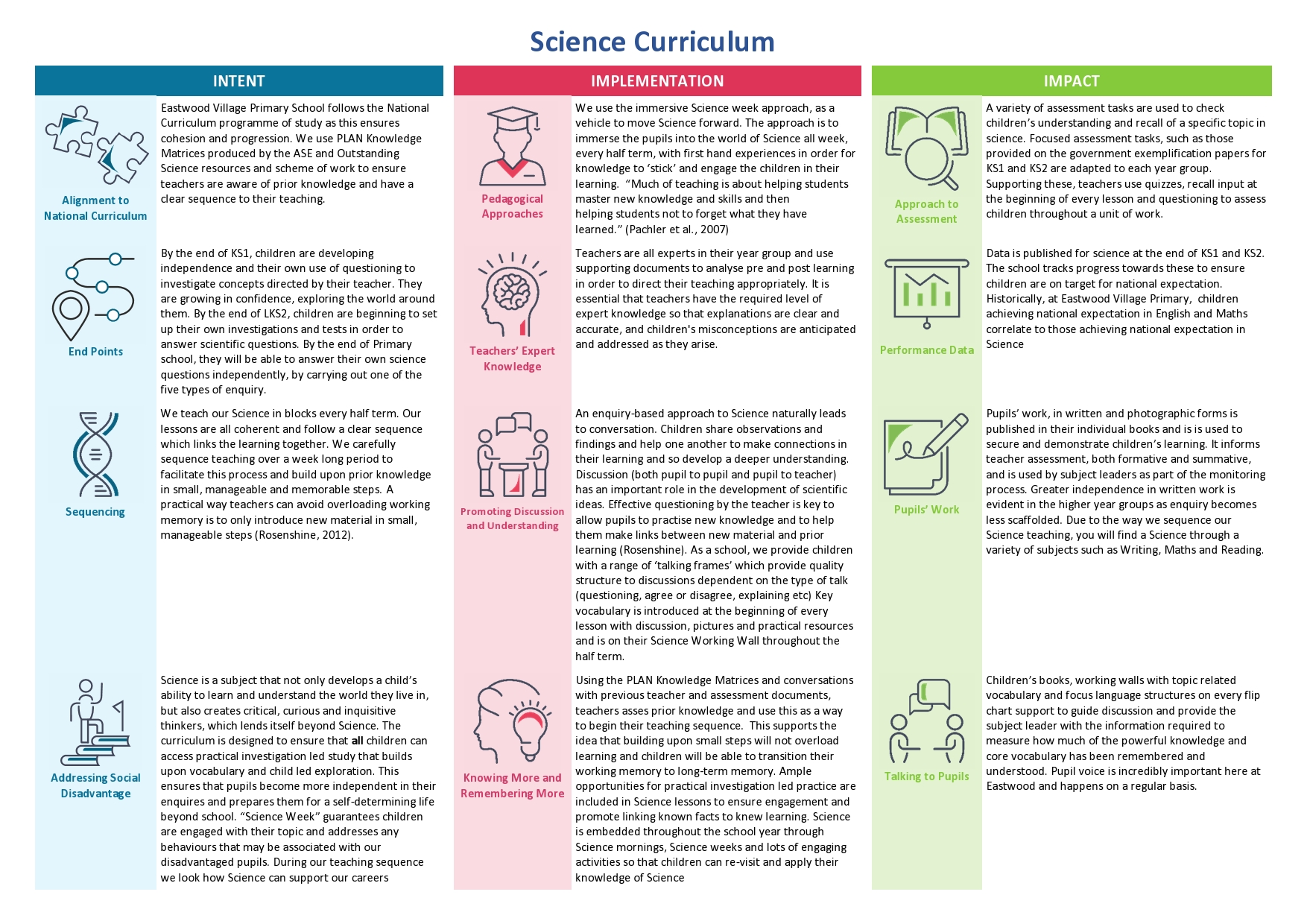
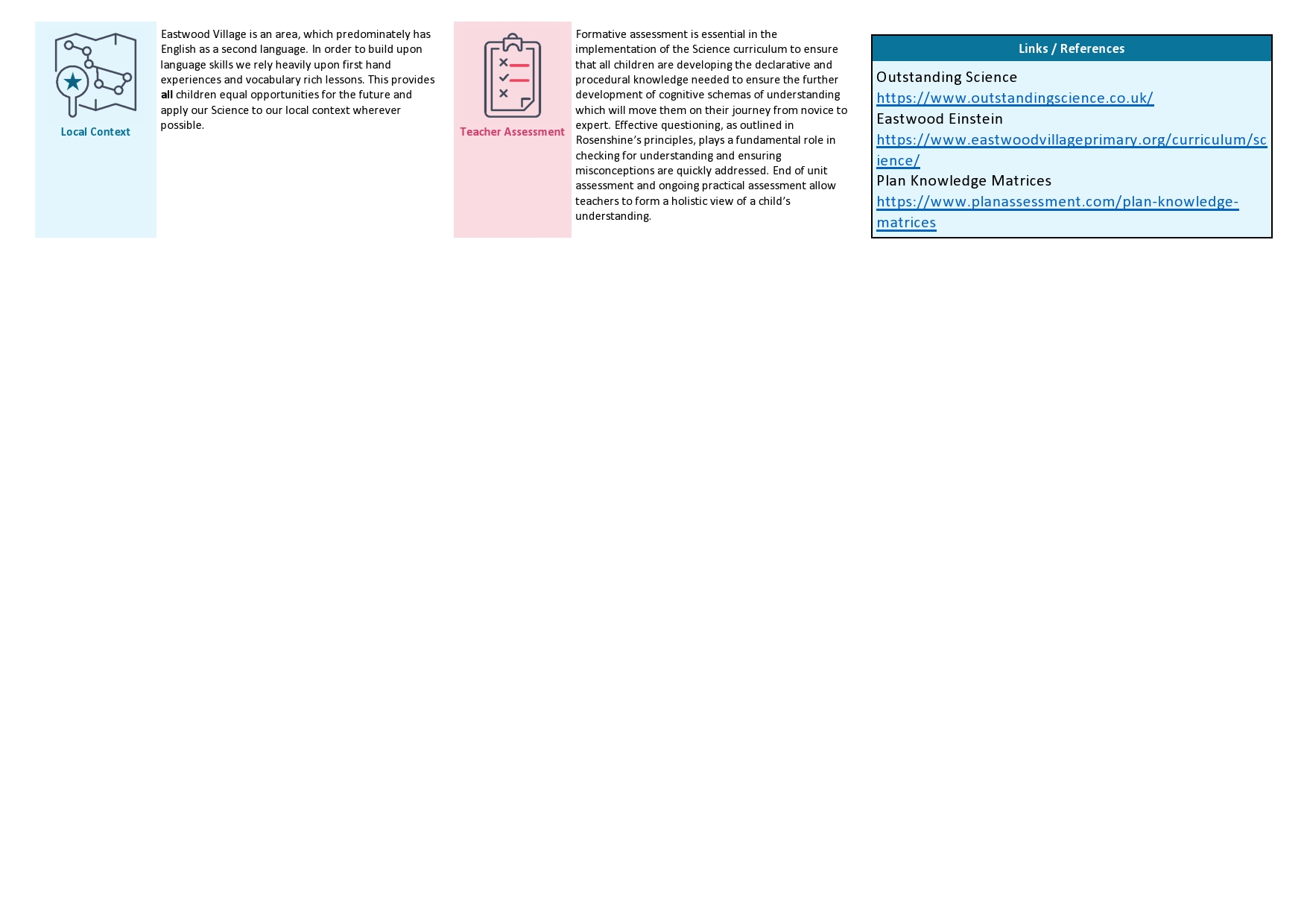




Lesson 1: Making waves
Lesson 2: Sustainability
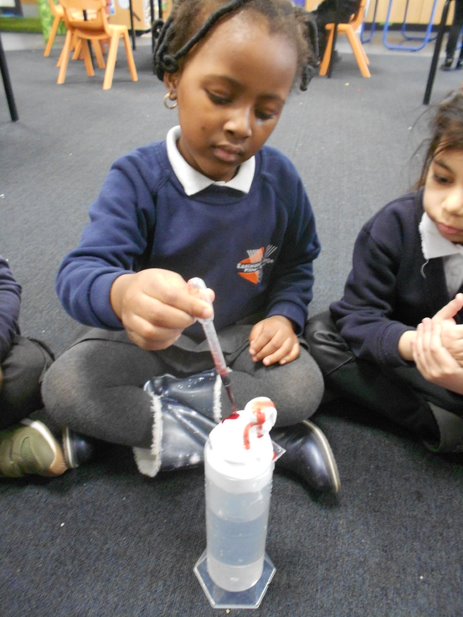
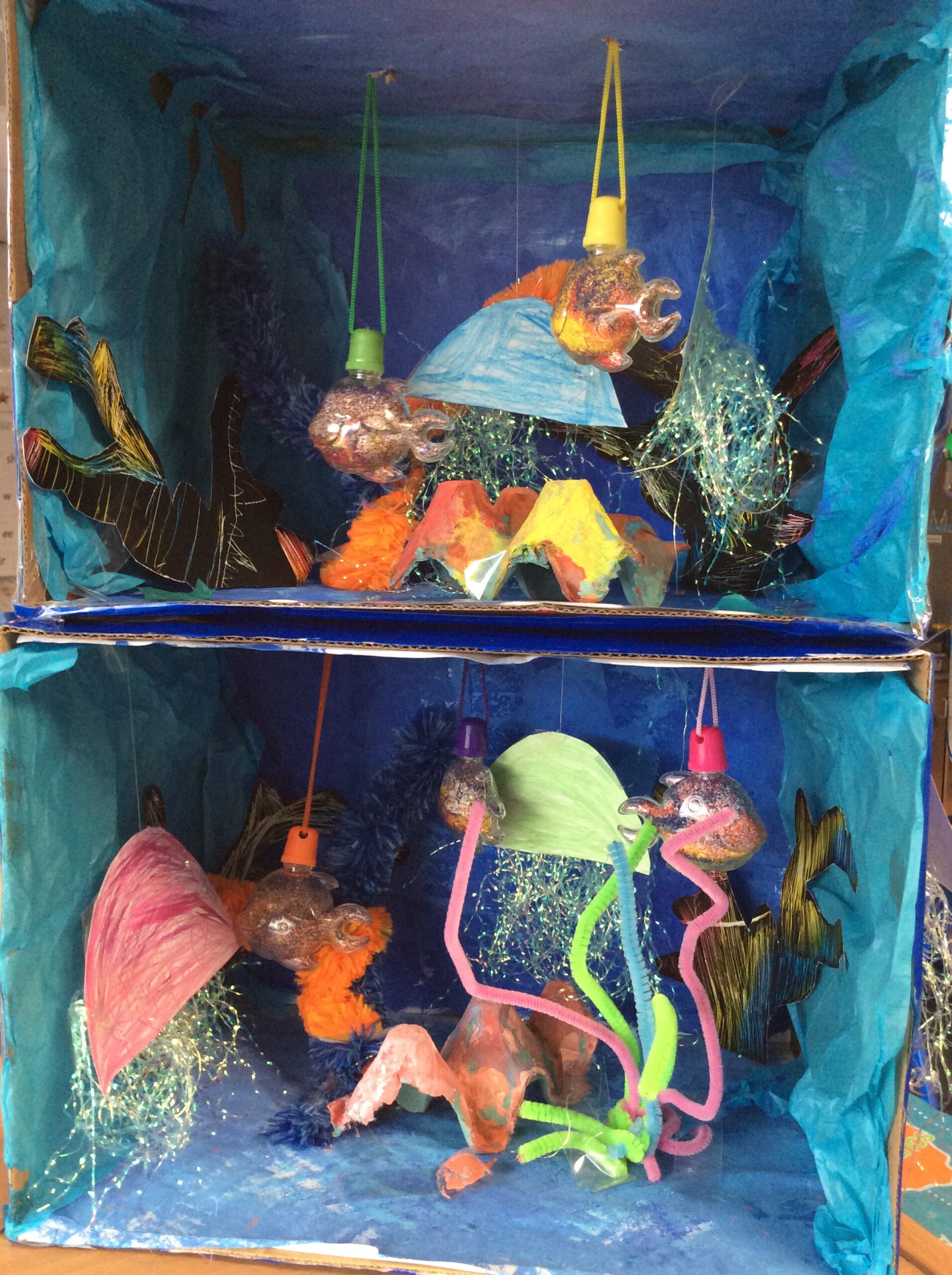
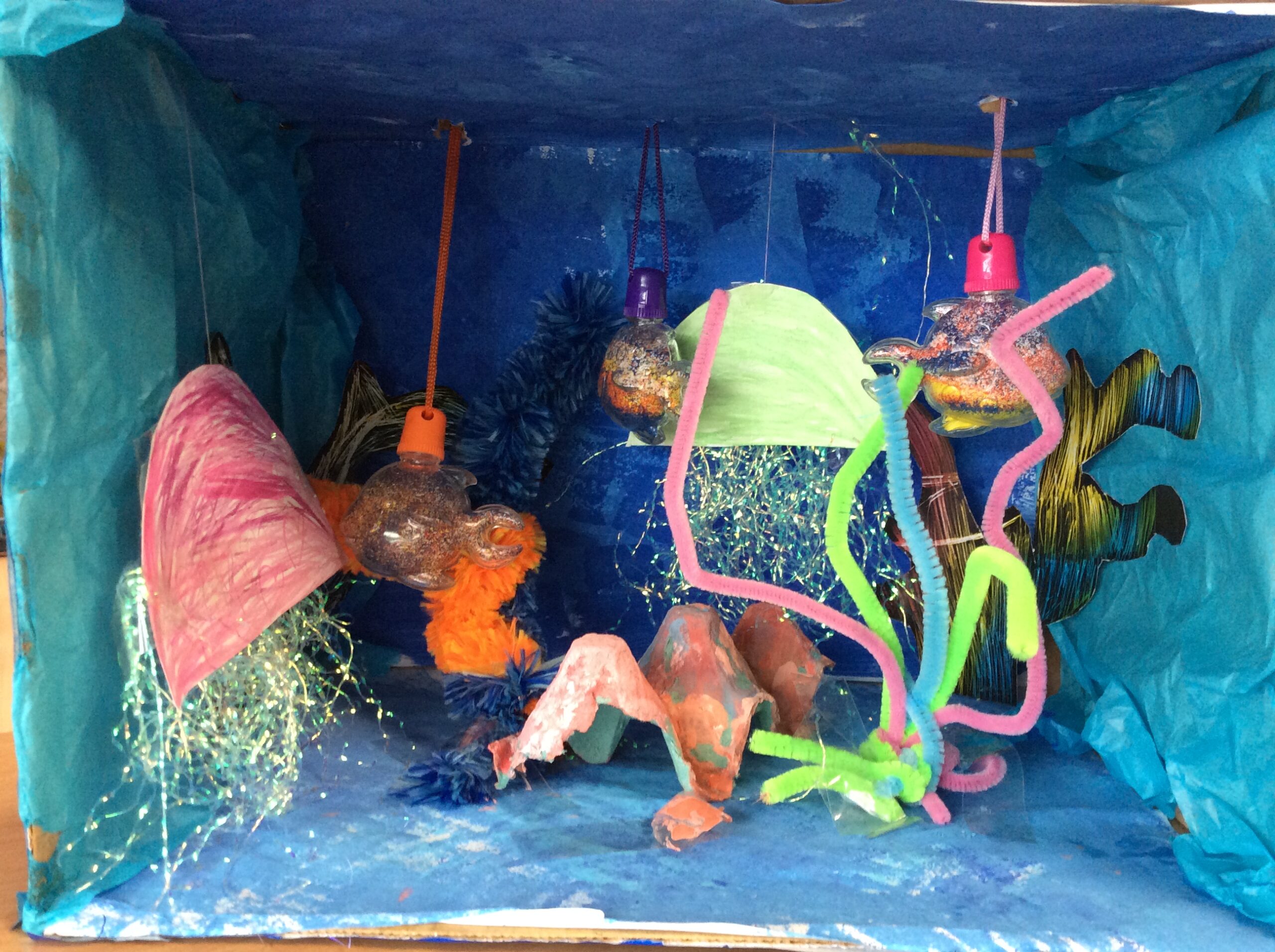
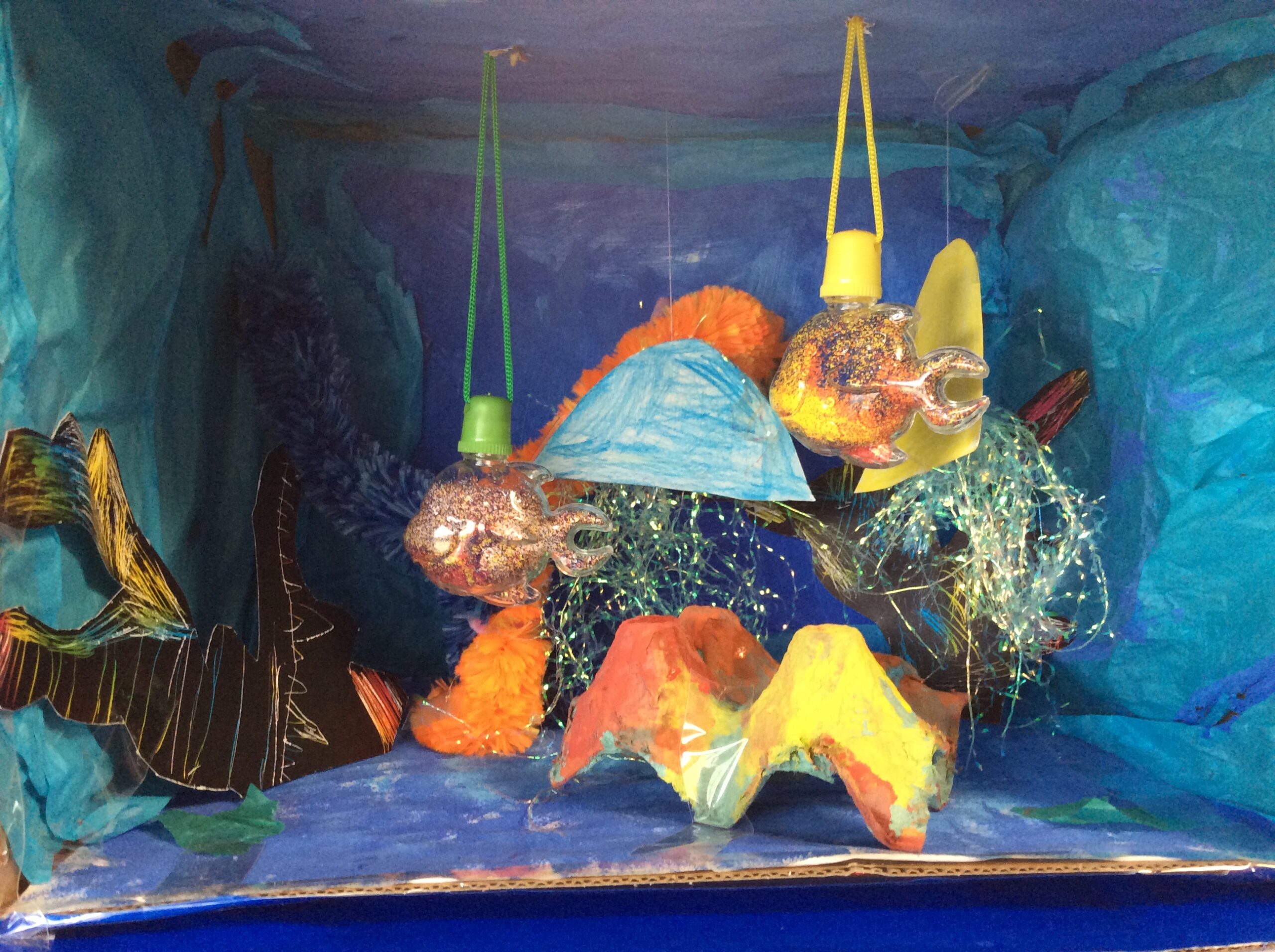
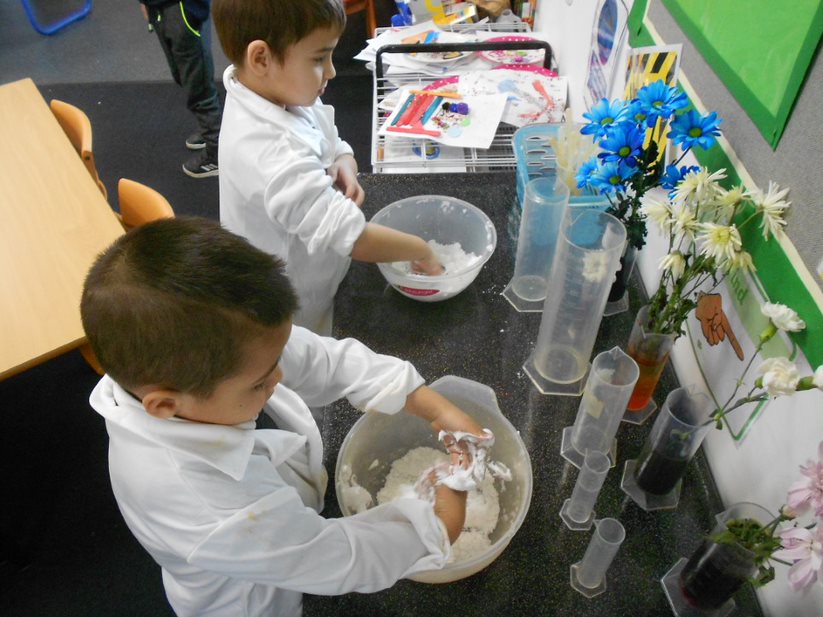
| Monday 9th | STEM DAY- Class Workshops Rockets | |||
| Tuesday 10th | 9-11.00 Class SwapPushes and Pulls | Class Swap Assembly | ||
| Wednesday 11th | Scientist StudyY4 visit to RSPB Wildlife Centre | Science Writers | 1.30 pm Parent Workshop Investigations | |
| Thursday 12th | Class Visits to Thrybergh Country Park, Clifton Park or Local Area. | |||
| Friday 13th | Whole School Experience Planetarium | |||
| Scientific Topic | Year Group/s | Cross-curricular links |
| Plants | Year 3 | Art – Recreating plants and the key features, either through sketching or modelling
Geography – Physical geography including biomes and vegetation belts, locating plants by their countries or regions English – Writing an information text about plants and flowers |
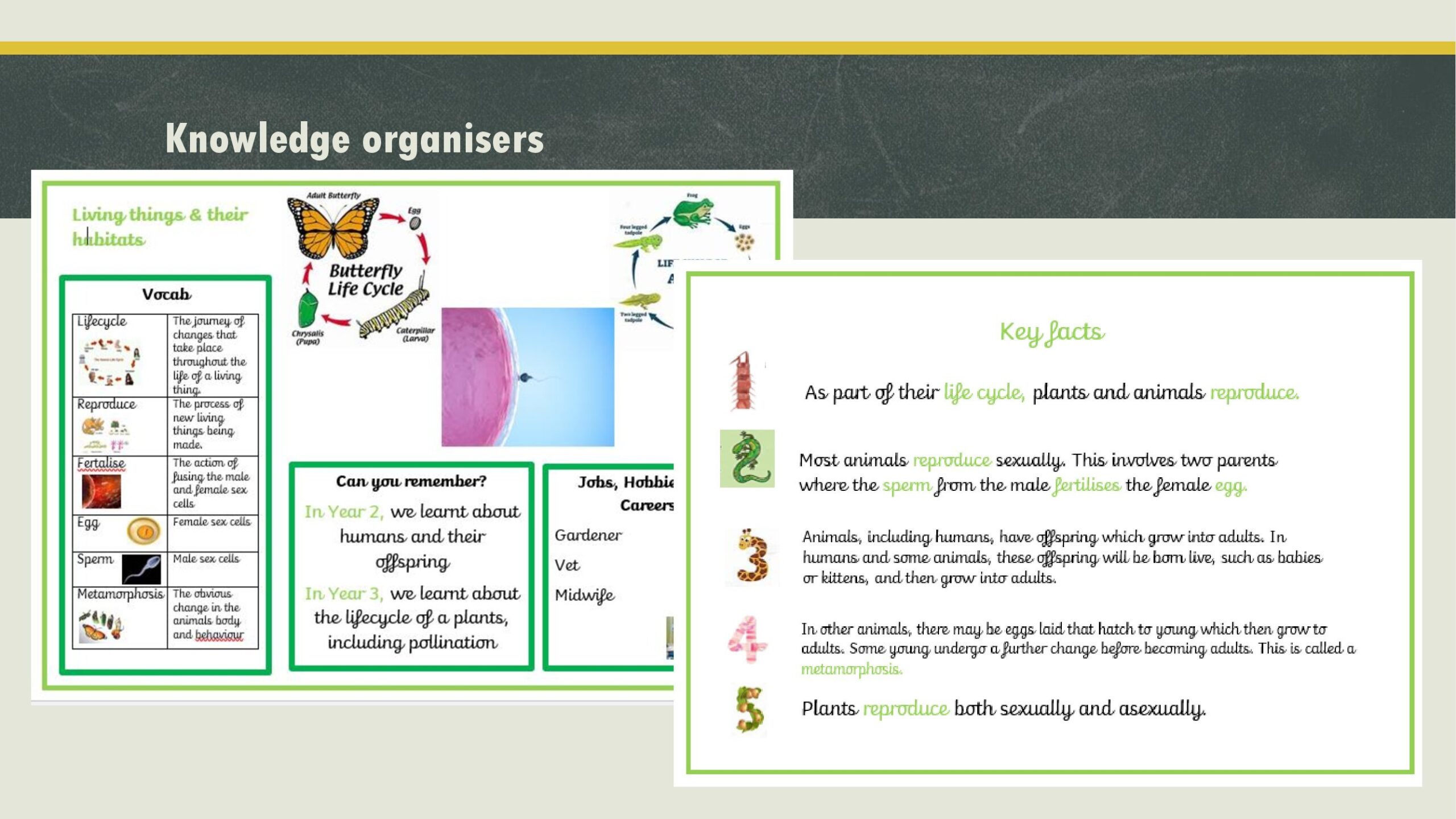
| Animals, including humans | Year 3, 4, 5 and 6 | Music – Recall sounds with increasing aural memory
Maths – Percentages/ fractions for nutrition, data handling PSHE – SRE – Reproduction, changes through age phases History – Stone Age to Iron Age, Ancient Greece, change in medicine and medical understanding P.E – Fitness tests, use of muscles, heart rate/ pulse and how this is affected by exercise |
| Rocks | Year 3 | Geography – Physical geography, location of particular rock formations |
| Light | Year 3 and 6 | Maths – Data and statistics, reflection
History – How our understanding has changed, how we use light has changed over the years Art – Recreating images of light through sketching or modelling, spectrums of colour Geography – Time zones |
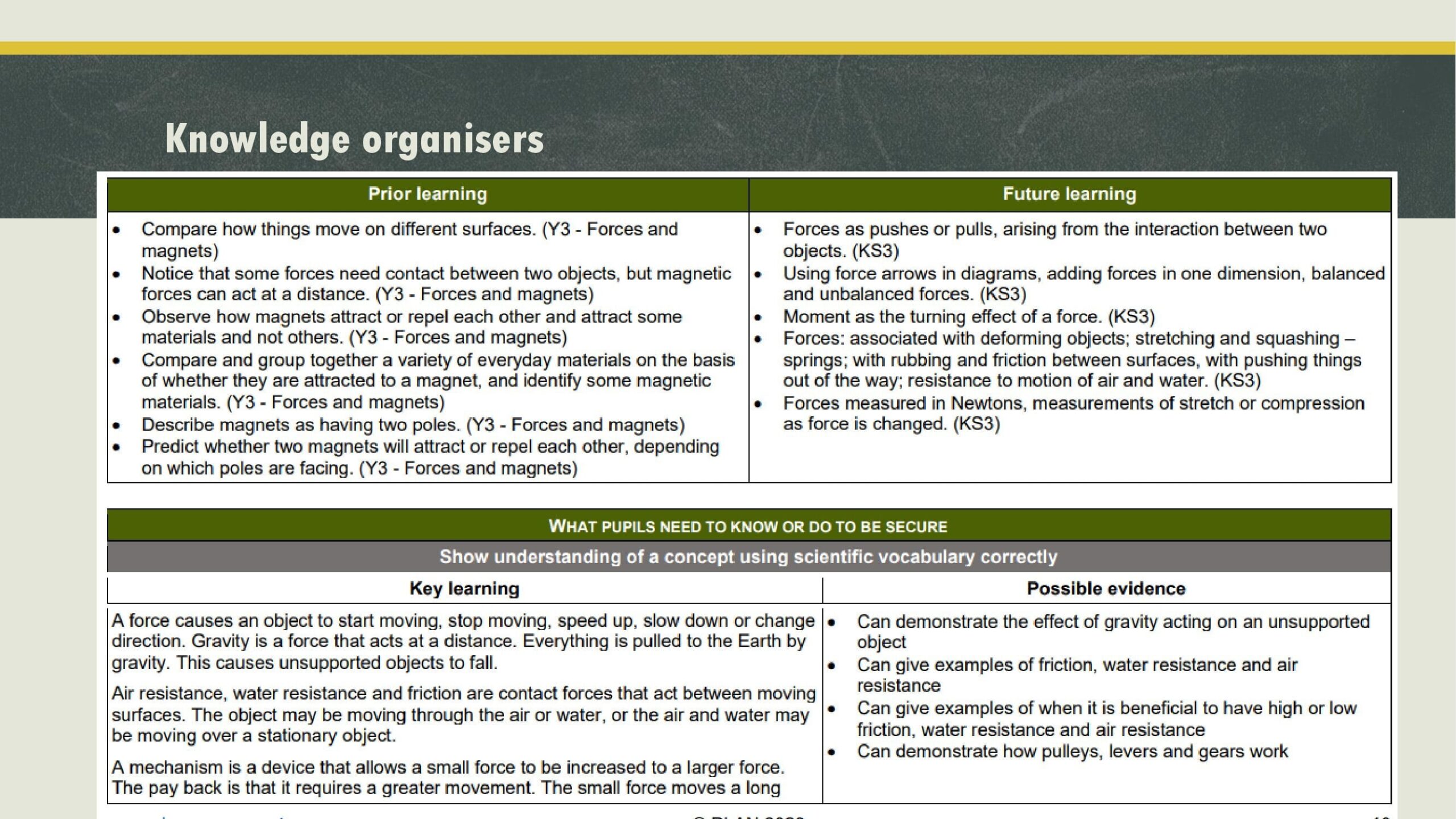
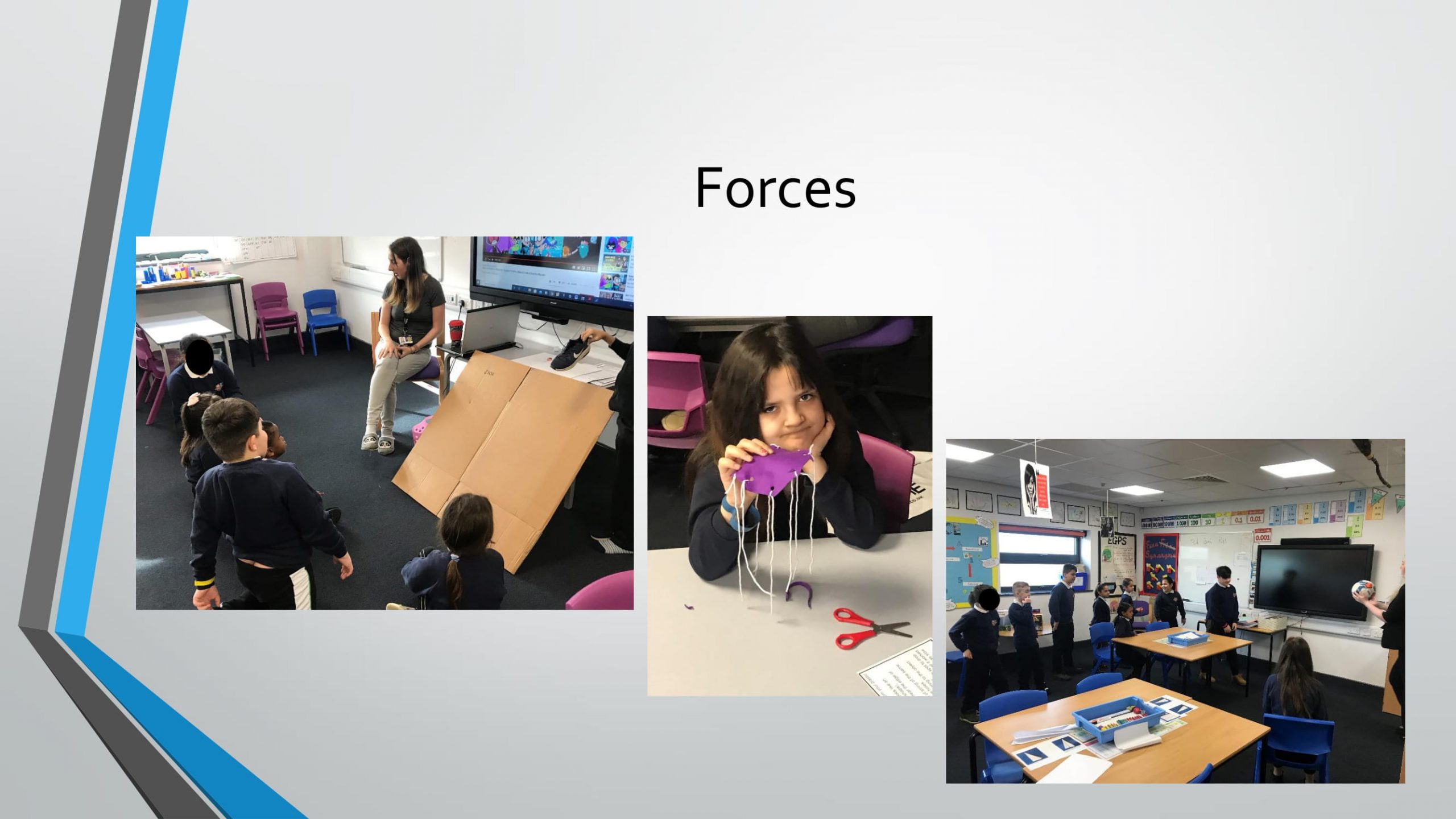
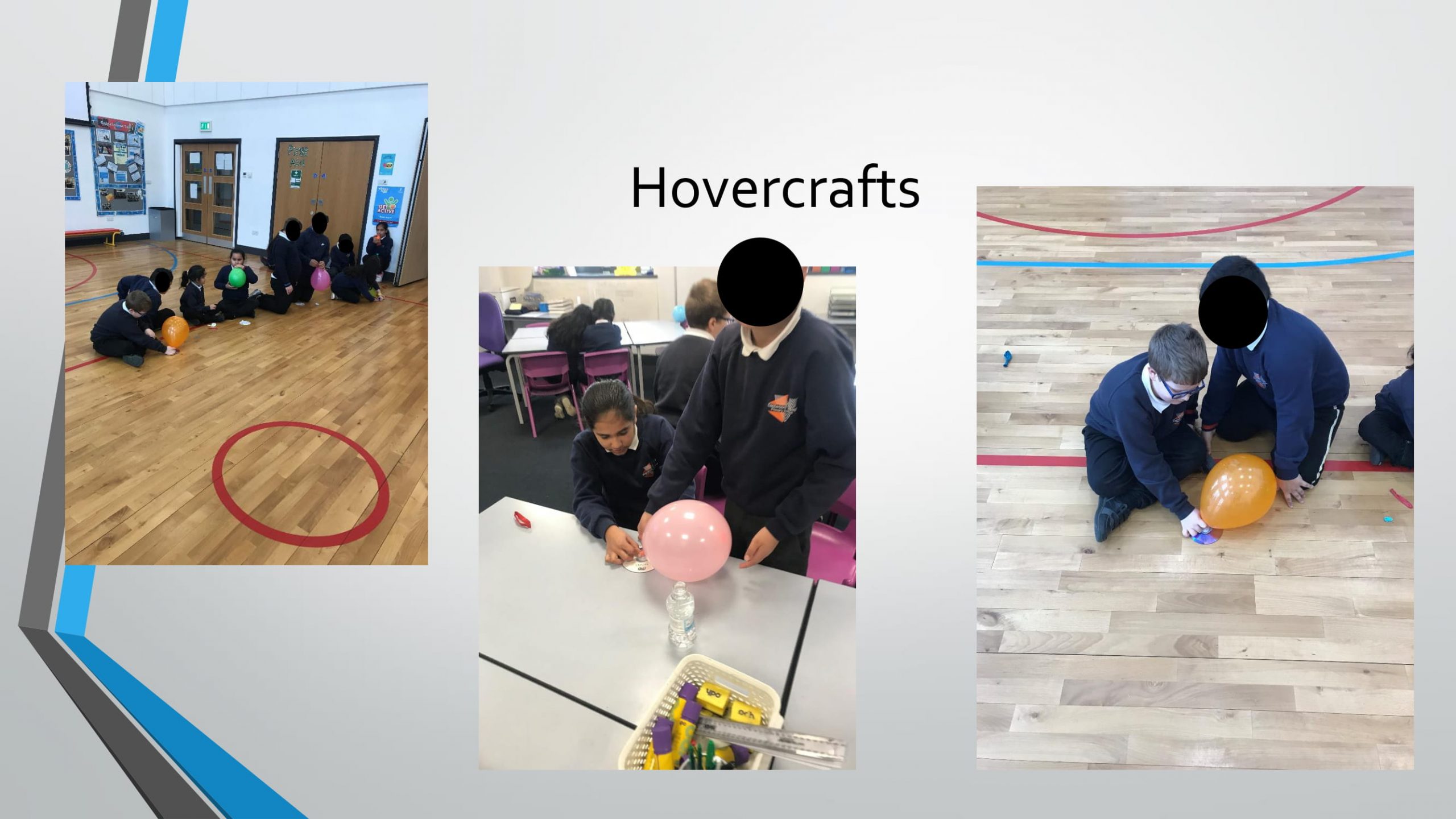
| Forces and magnets | Year 3 and 5 | Design Technology – Pulleys and gears, weight-bearing structures, how to stiffen and strengthen complex structures
Maths – Data handling, Measurements, Percentages/ fractions of change Geography – Poles of the earth, physical geography |
| Living Things and their Habitats | Year 4, 5 and 6 | English – Information texts, biographical writing about famous scientists, creating questions
Maths – Data handling including using different diagrams to sort information History – How what we know has changed over history, how scientists have built up on previous work Geography – Human and physical geography, Biomes, Tropics and Equator, locating living species PSHE – SRE – Reproduction |
| States of Matter | Year 4 | Maths – Measuring changes in temperatures
Geography – The water cycle Design Technology – Design project based around a particular brief, Food and change in state through temperature |
| Sound | Year 4 | Music – Recall sounds with increasing aural memory, Use the inter-related dimensions of music |
| Electricity | Year 4 and 6 | History – How what we know has changed over history, how scientists have built up on previous work
Design Technology – Creating an electrical circuit game such as a buzz wire game, designs using particular materials as insulators or conductors English – Information texts, biographical writing about famous scientists Geography – Weather patterns PSHE – Keeping safe |
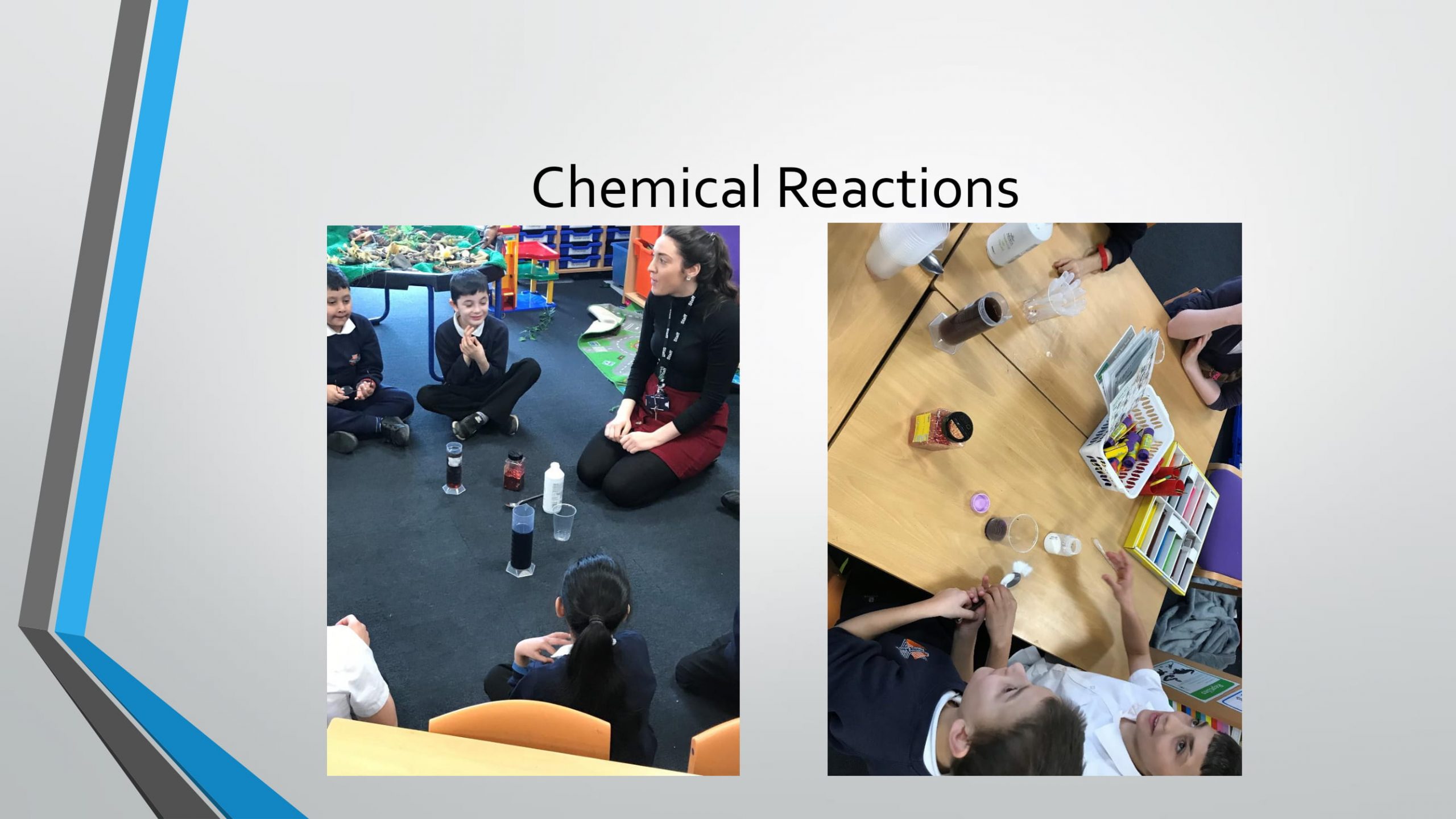
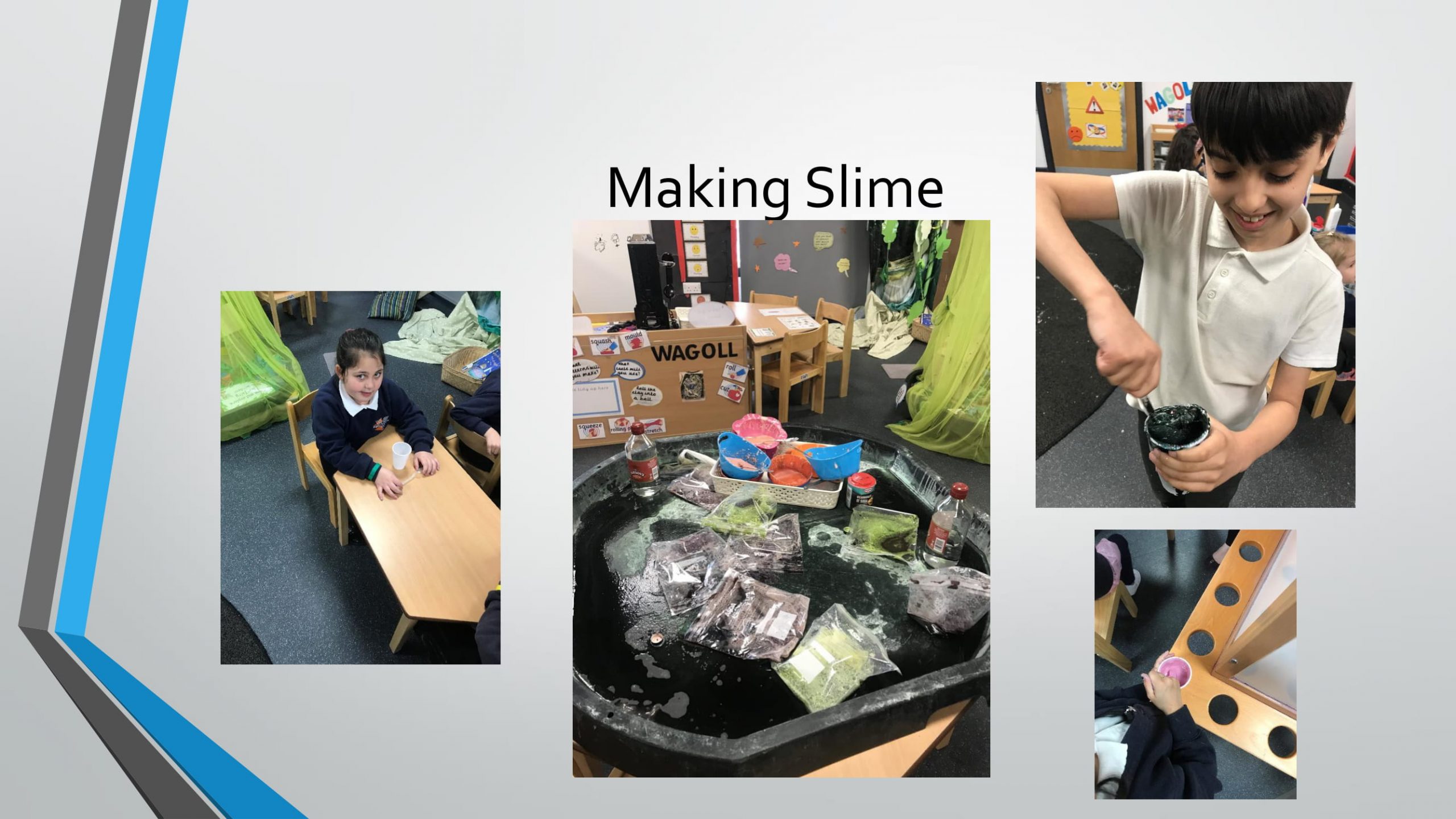
| Properties and Changes of Materials | Year 5 | Maths – Data handling, Measurements, Percentages/ fractions of change
Design Technology – Food technology, textiles and design ideas, structures and materials used |
| Earth and Space | Year 5 | Art – Recreating images of Earth or space and the key features, either through sketching or modelling
Geography – Time zones, Equator and tropics, hemispheres, seasons Maths – Time including calendars History – Ancient Greece, Romans, Ancient Maya |
| Evolution and Inheritance | Year 6 | Geography – Mapping Darwin’s journey
Computer Science – Using software to create cross-bred animals English – Information text about a species of animal, newspaper report, diary entry for Darwin or Mary Anning Art – Recreating images of the finches with their different beaks History – How the human species has changed |
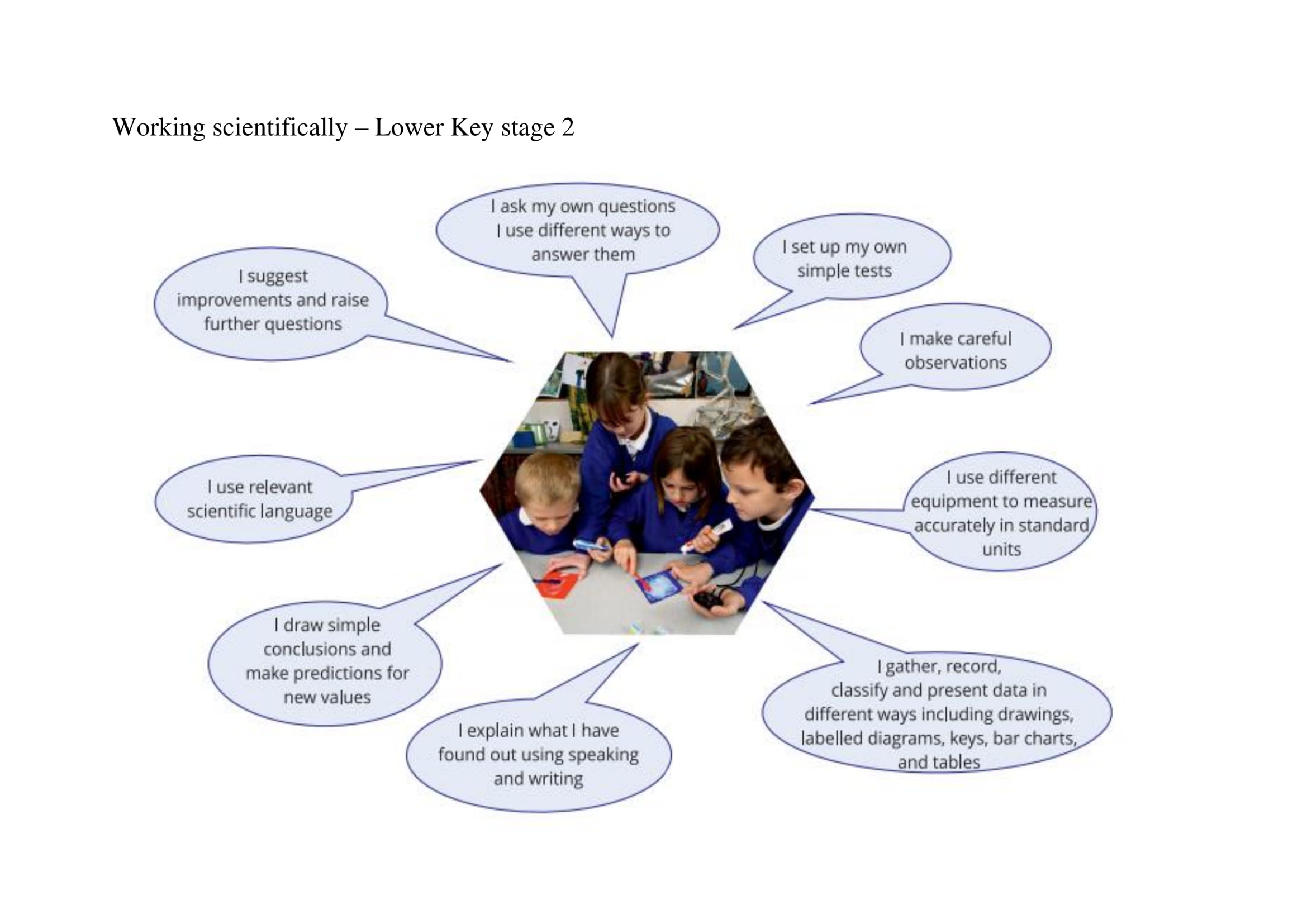
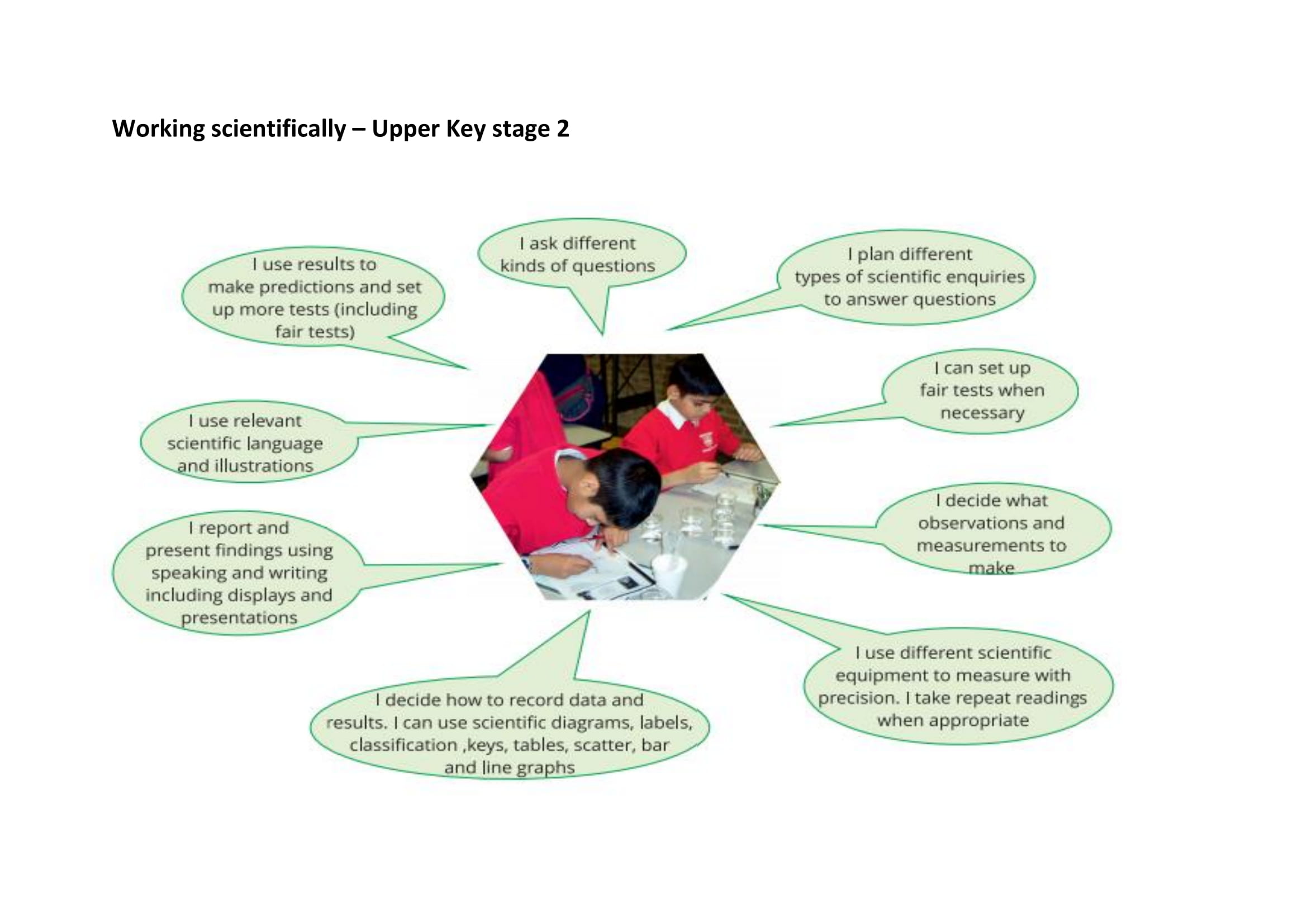
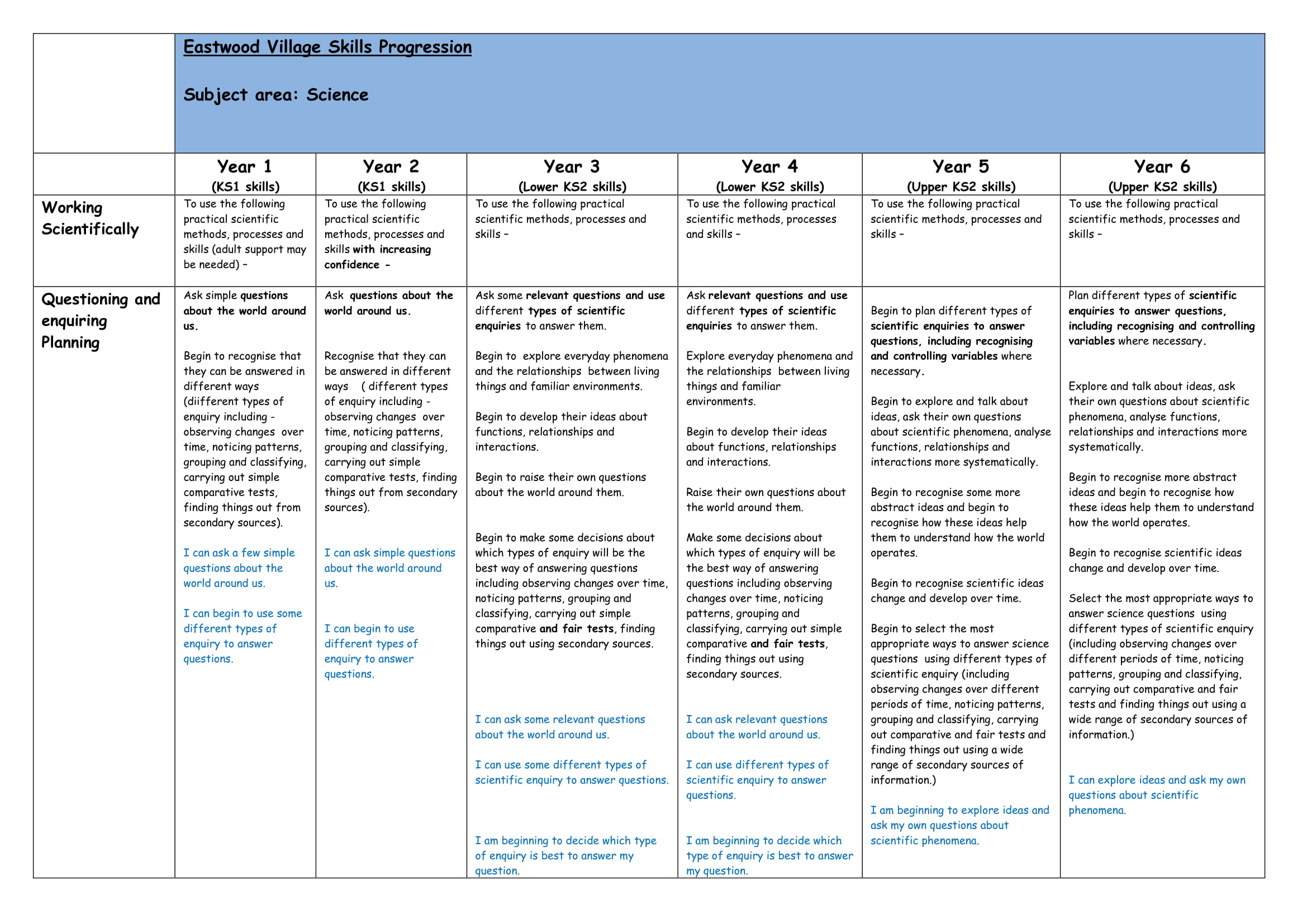
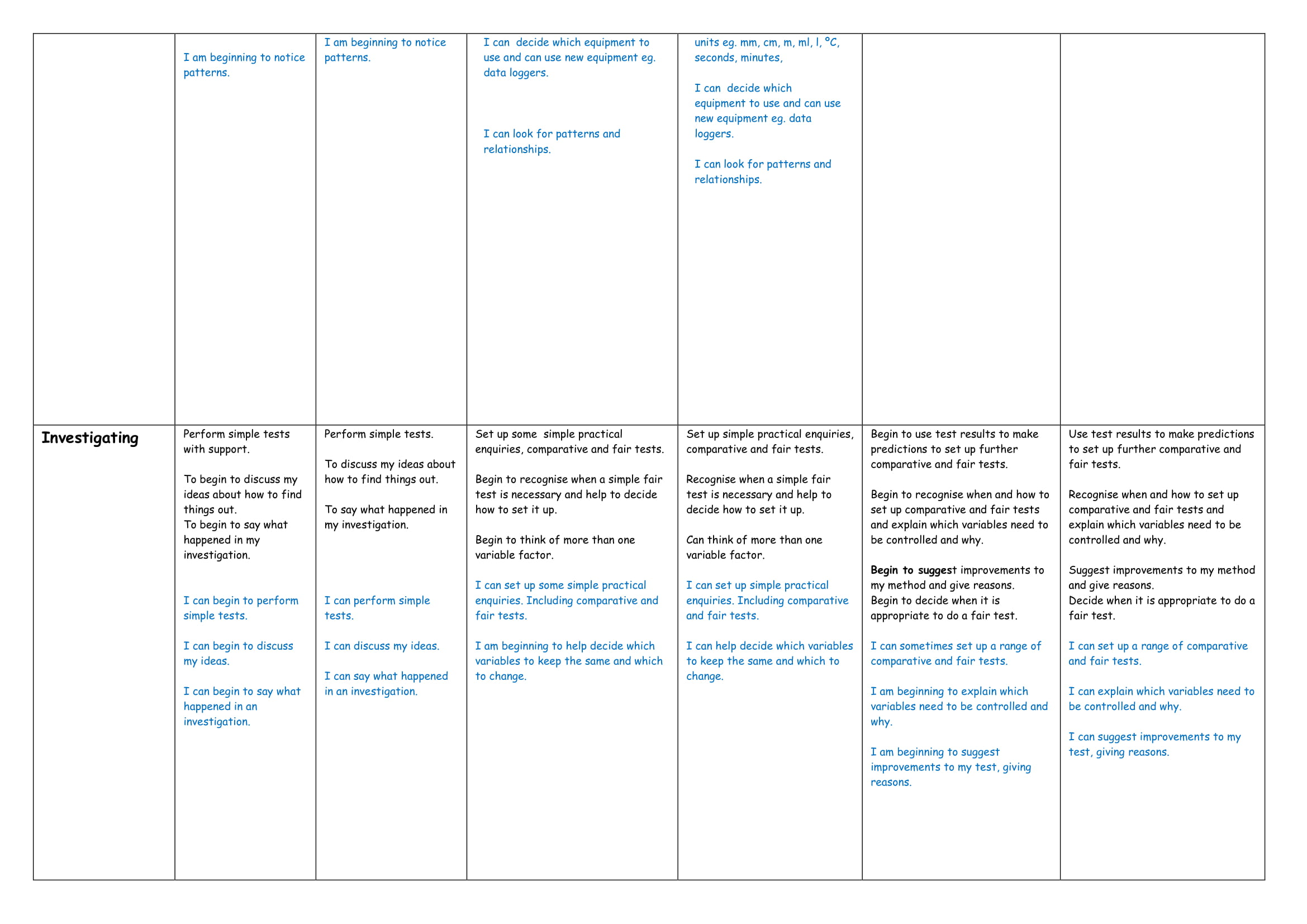
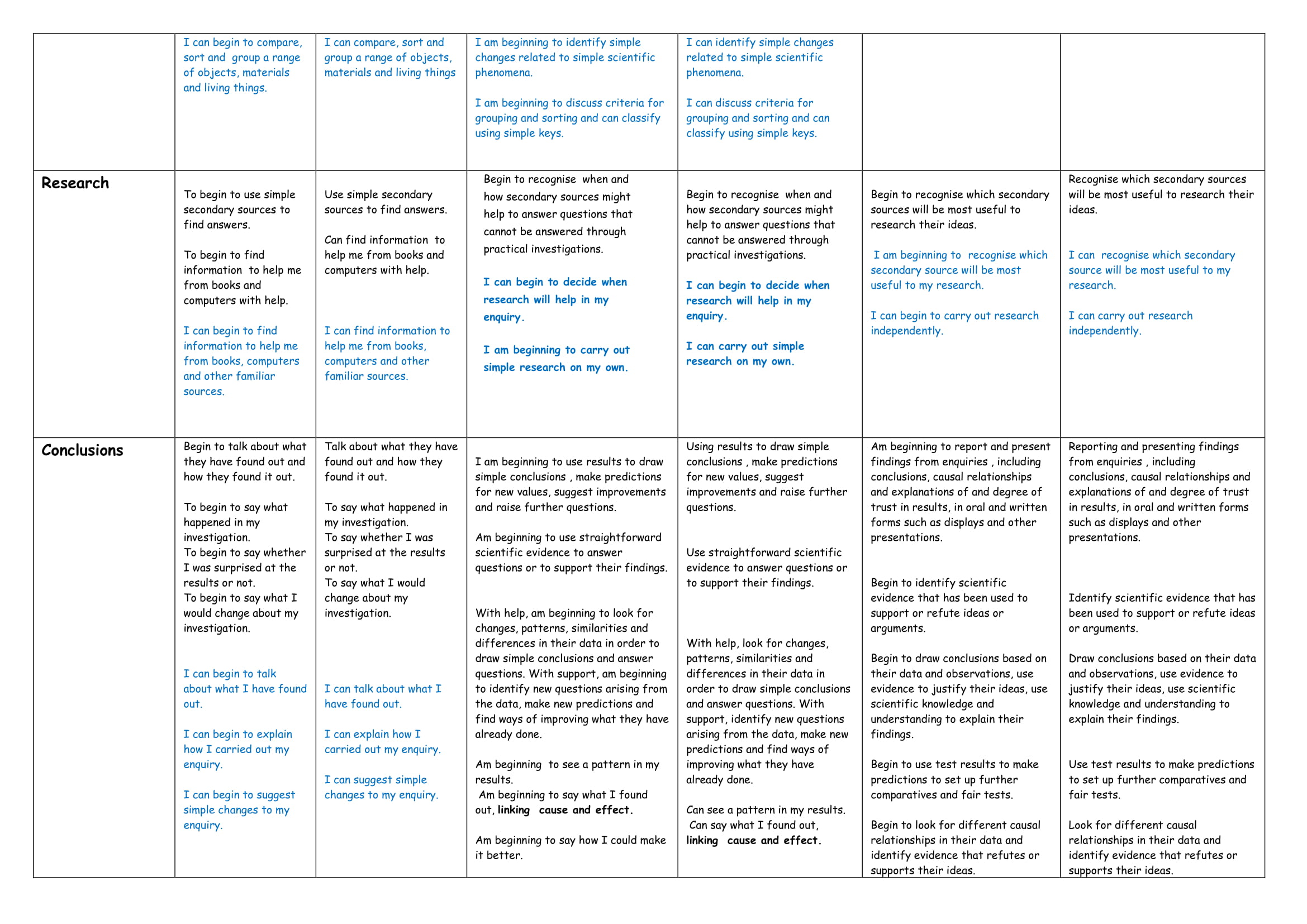
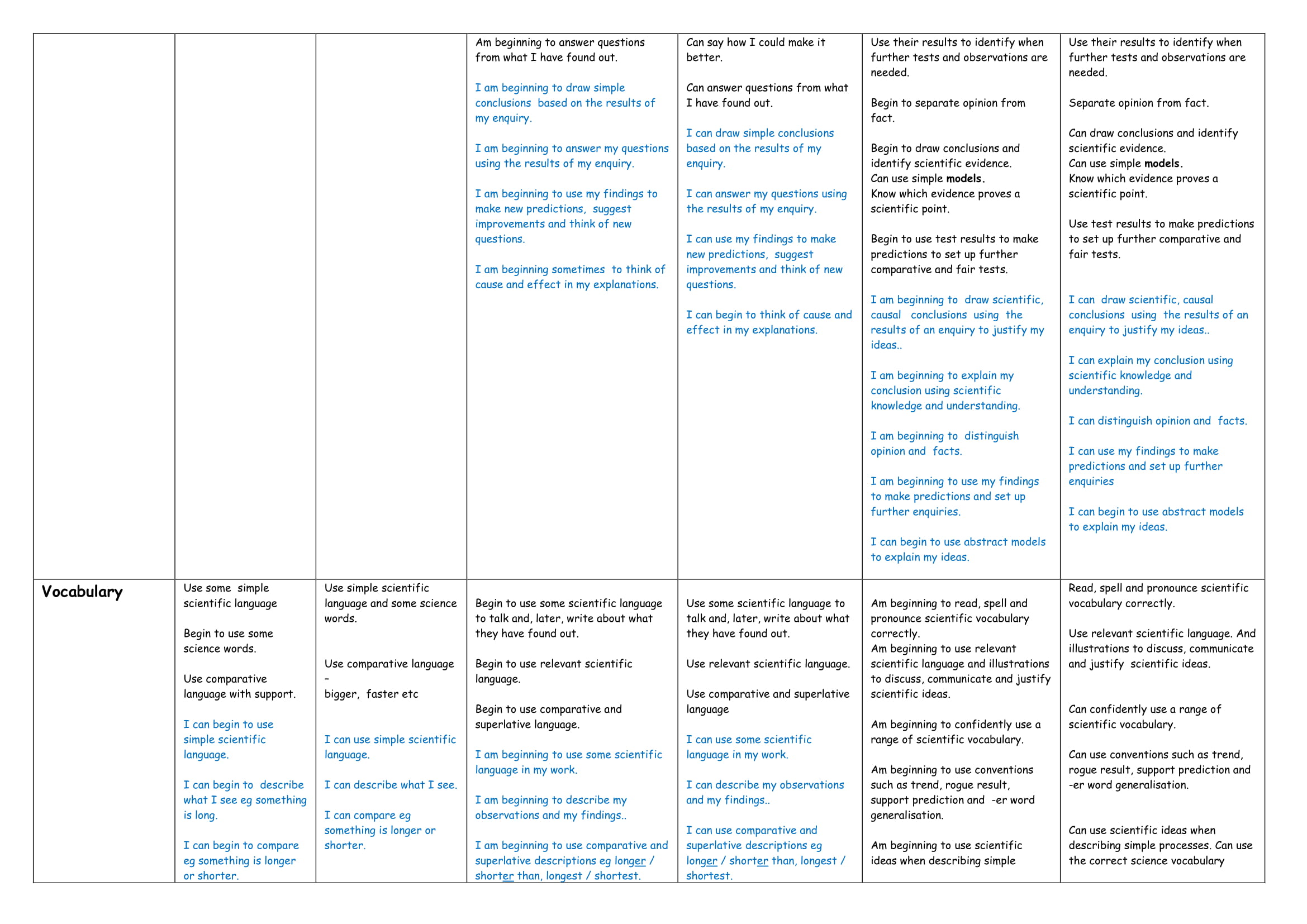
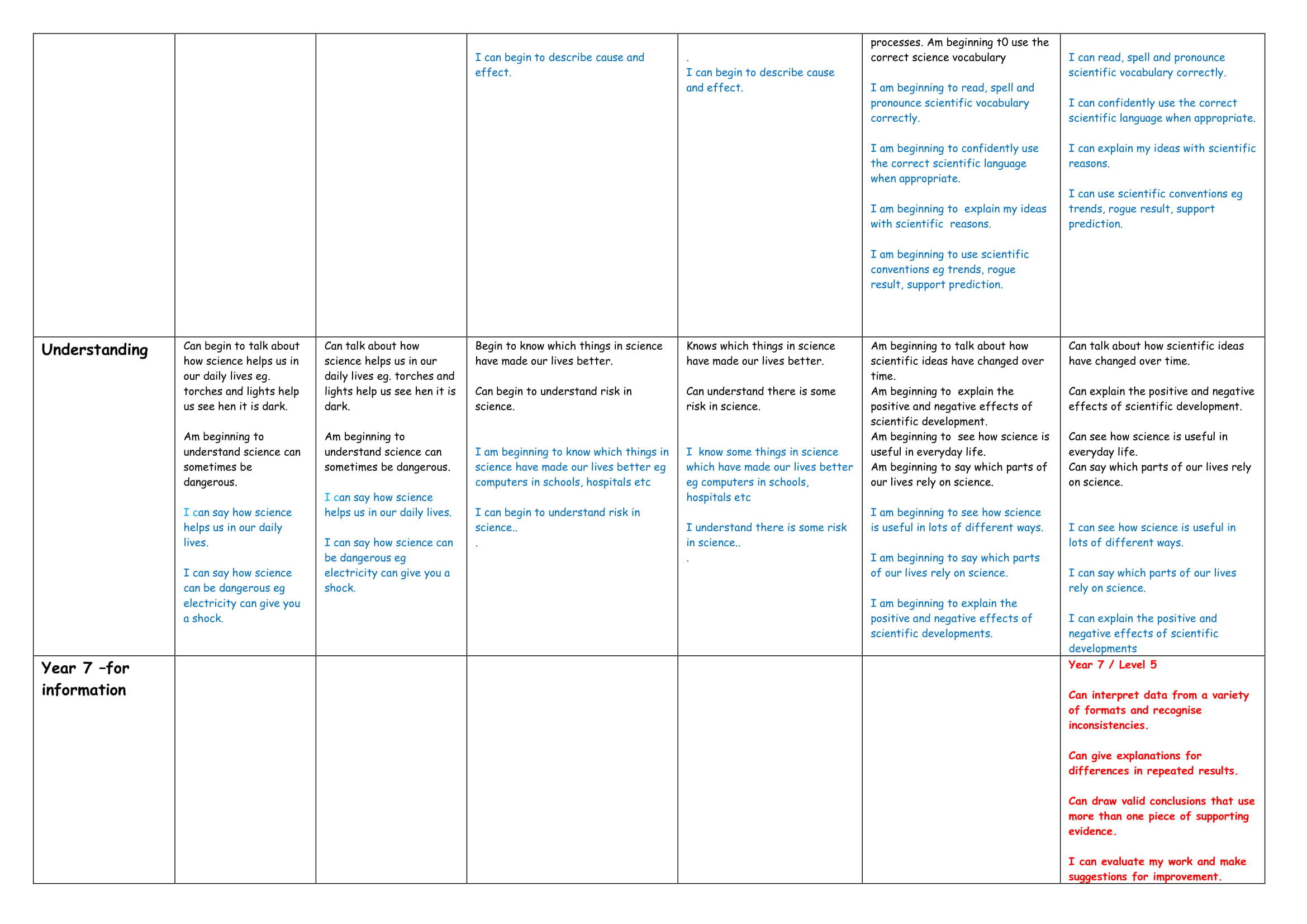
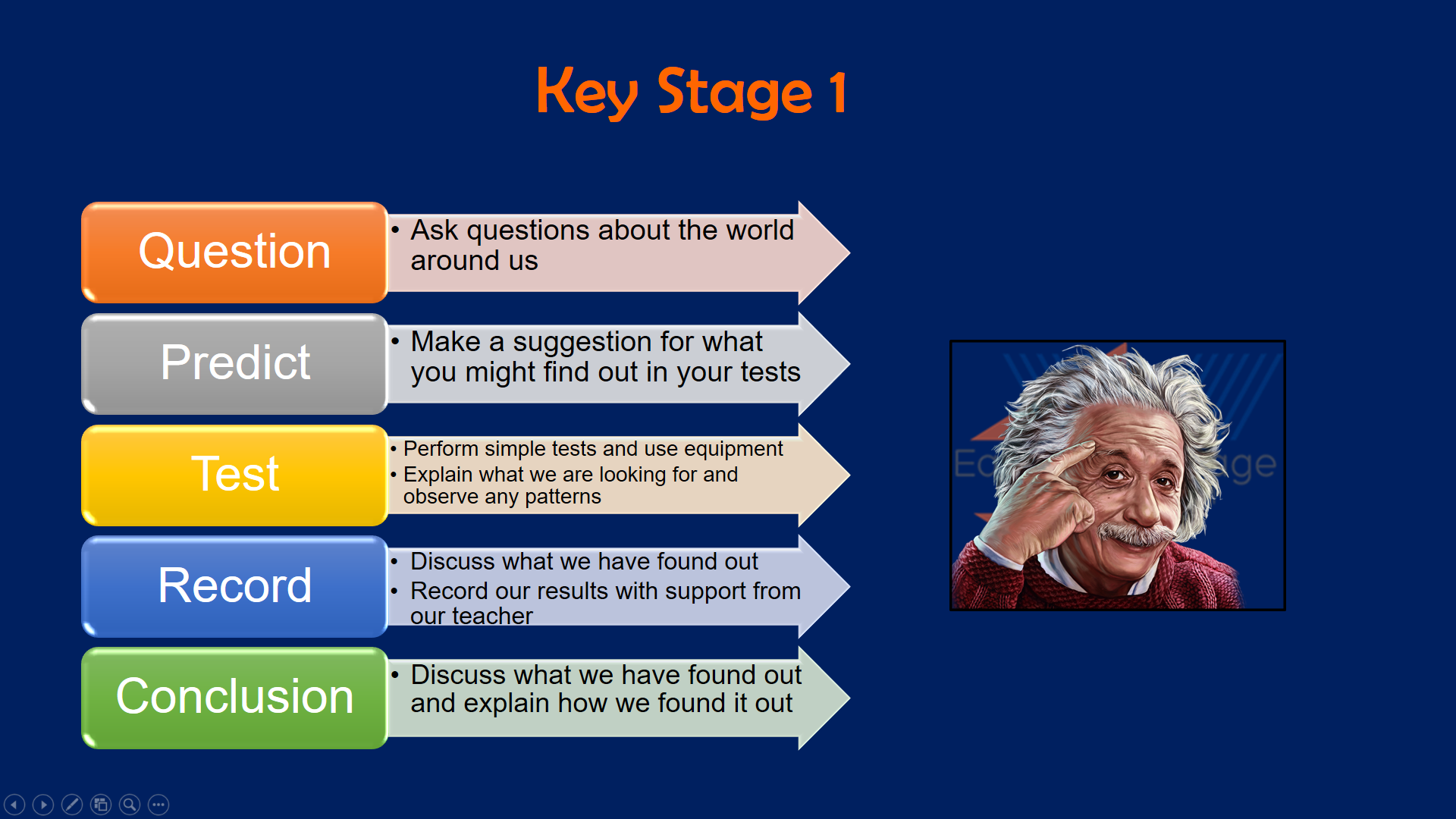
| Working scientifically | Year 3-6 | Maths – Data handling and statistics, Measurements, Percentages and fractional changes, decimals, calculating
English – Writing reports, creating questions P.E – How the body works including changes during exercise PSHE – Keeping safe |